
The Illusion of Control in Gambling
The allure of the casino often stems from the perceived possibility of exerting control over outcomes that are, by their very nature, random. Philosophically, this pursuit mirrors a fundamental human desire to impose order on chaos. While strategies and skill can influence certain aspects of casino entertainment, such as understanding odds or managing wagers, it’s crucial to acknowledge the inherent unpredictability of games of chance, and for those seeking online options, it is important to be aware of the legal frameworks in place, as access to sites like https://izzicasino.co.com/ may be restricted due to regulatory compliance. True mastery, therefore, lies not in bending luck to one’s will, but in understanding and accepting the probabilistic nature of the environment.

Many patrons engage with gambling with the belief that a specific system or a series of lucky breaks can guarantee a win. This is often a cognitive bias, a form of confirmation bias where favorable outcomes are remembered and unfavorable ones are downplayed. From a philosophical standpoint, mistaking correlation for causation or attributing agency to random events represents a deviation from rational thought. A disciplined approach recognizes that while the pursuit of entertainment is valid, the expectation of guaranteed financial gain through pure chance is a fallacy.
Ethical Considerations and Responsible Play
The philosophical underpinnings of responsible gambling are rooted in principles of self-preservation and ethical conduct. Recognizing the potential for harm, both financial and psychological, is a prerequisite for engaging in activities where the house always holds an edge. A responsible individual approaches gambling not as a means to an end, but as a form of entertainment, with clearly defined limits and an understanding of the risks involved. This perspective aligns with Stoic philosophies that emphasize virtue and reason over the pursuit of fleeting pleasures or material gains.
Maintaining control in a casino environment extends beyond mere financial management; it involves emotional regulation. The thrill of a win or the sting of a loss can cloud judgment, leading to impulsive decisions. A philosopher would advocate for a detached observation of one’s emotional responses, refraining from actions dictated by immediate feelings. This self-awareness is paramount in preventing the descent into problematic gambling behaviors, ensuring that the pursuit of entertainment does not compromise one’s well-being or ethical obligations.
The Nature of Chance and Determinism
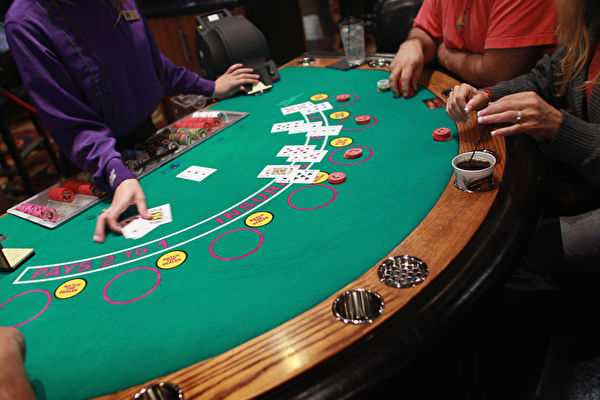
The casino floor is a microcosm where the concepts of chance and determinism are constantly debated and experienced. While statistical probabilities govern the likelihood of various outcomes, the individual spin of a roulette wheel or the shuffle of cards appears to be a singular, unrepeatable event governed by a complex interplay of physical forces. Philosophically, this raises questions about free will versus predestination, and how much agency, if any, an individual truly possesses in a system designed with inherent randomness.
Understanding the mathematical underpinnings of casino games, such as house edge and expected value, is a form of rational engagement with these probabilities. It allows players to make informed decisions about where to allocate their entertainment budget, even if the ultimate outcome remains beyond their direct control. This intellectual engagement with the mechanics of chance can be seen as a philosophical exercise, appreciating the intricate design of systems that balance risk and reward.
Navigating Regulations and Licensed Platforms
The landscape of online gambling is heavily regulated, and understanding these regulations is a key aspect of responsible engagement. In many jurisdictions, including Canada, operating or accessing unlicensed gambling platforms is a violation of legal statutes. This is a critical point for anyone considering online betting; adherence to the law is not just a matter of compliance but also a reflection of ethical decision-making and respect for the established order. Seeking out and using only licensed services ensures a safer and more equitable gaming experience.
For individuals residing in Canada, the provincial and territorial governments are the authorities responsible for licensing and regulating gambling operations. This decentralized approach means that the specific rules and available licensed platforms can vary significantly from one region to another. Philosophically, this highlights the importance of understanding the specific legal and social contract within one’s own jurisdiction. It underscores the idea that responsible participation in any activity, especially one with potential risks like gambling, requires awareness of and adherence to the governing framework.
Understanding Licensed Canadian Gambling Services
Access to online gambling services in Canada is contingent upon provincial and territorial licensing. This regulatory framework is designed to protect consumers, ensure fair play, and prevent problem gambling. Websites and platforms operating within this structure have undergone rigorous vetting processes and are held to strict standards of operation. For Canadian residents, engaging with these licensed entities is the only legal and responsible way to participate in online betting and casino games.
Each provincial and territorial gambling authority maintains an official website that serves as a vital resource for information on licensed operators. These sites typically provide details on regulations, responsible gambling initiatives, and lists of approved platforms. Consumers are encouraged to consult these official sources to verify the licensing status of any online casino or betting site they intend to use. This due diligence is an essential step in ensuring a secure and compliant online gambling experience, aligning with both legal requirements and the principles of responsible engagement.